


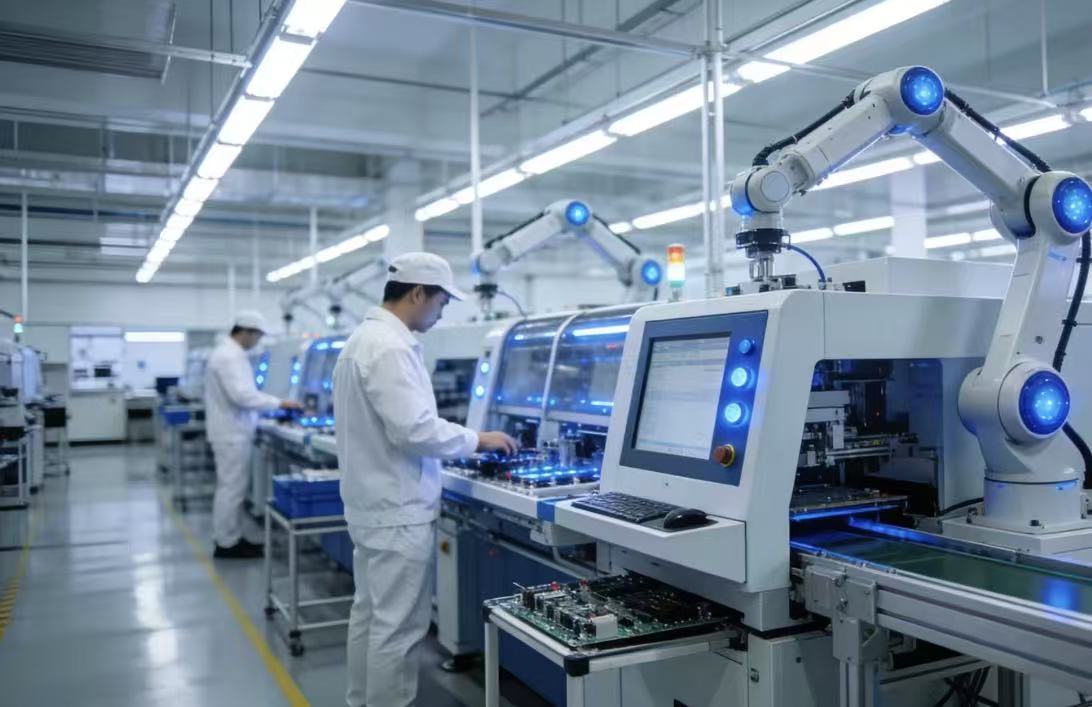
Combined, these factors have pushed total hardware costs up 8–12% for most models, making many budget phones unprofitable at old price points.
3. Long-Term Supply Constraints
Industry leaders like Xiaomi’s CEO Lei Jun and analysts at TrendForce warn this is not a short-term issue. The AI memory shortage is expected to persist through 2027, meaning prices may rise again in 2026.
How Brands & Consumers Are Responding
• Manufacturers: Many are cutting low-margin budget lines, focusing on mid-to-high-end models with better profit margins. Some are offering limited-time promotions or trade-in programs to soften the blow.
• Consumers: Many are holding onto devices longer, upgrading less frequently, or choosing smaller storage configurations to save money.
Looking Ahead
The 2026 smartphone price surge marks a fundamental shift in the market. While higher prices reflect better technology and AI capabilities, they also create affordability challenges. For consumers, this means more careful purchasing decisions—prioritizing essential features over maximum specs. For brands, it means balancing innovation with accessibility in an increasingly cost-constrained environment.